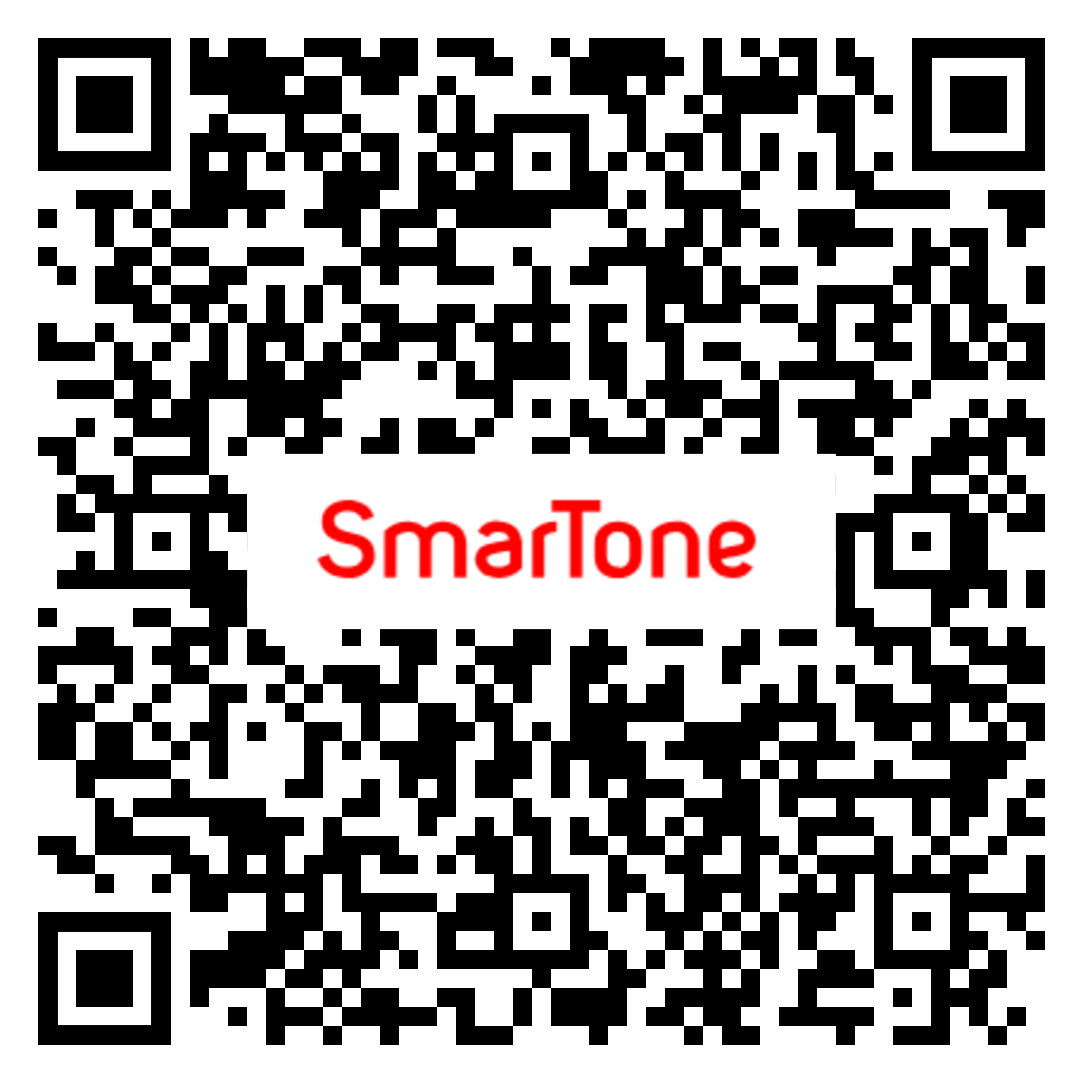
Scan QR Code by using SmarTone mobile network

Please scan QR Code
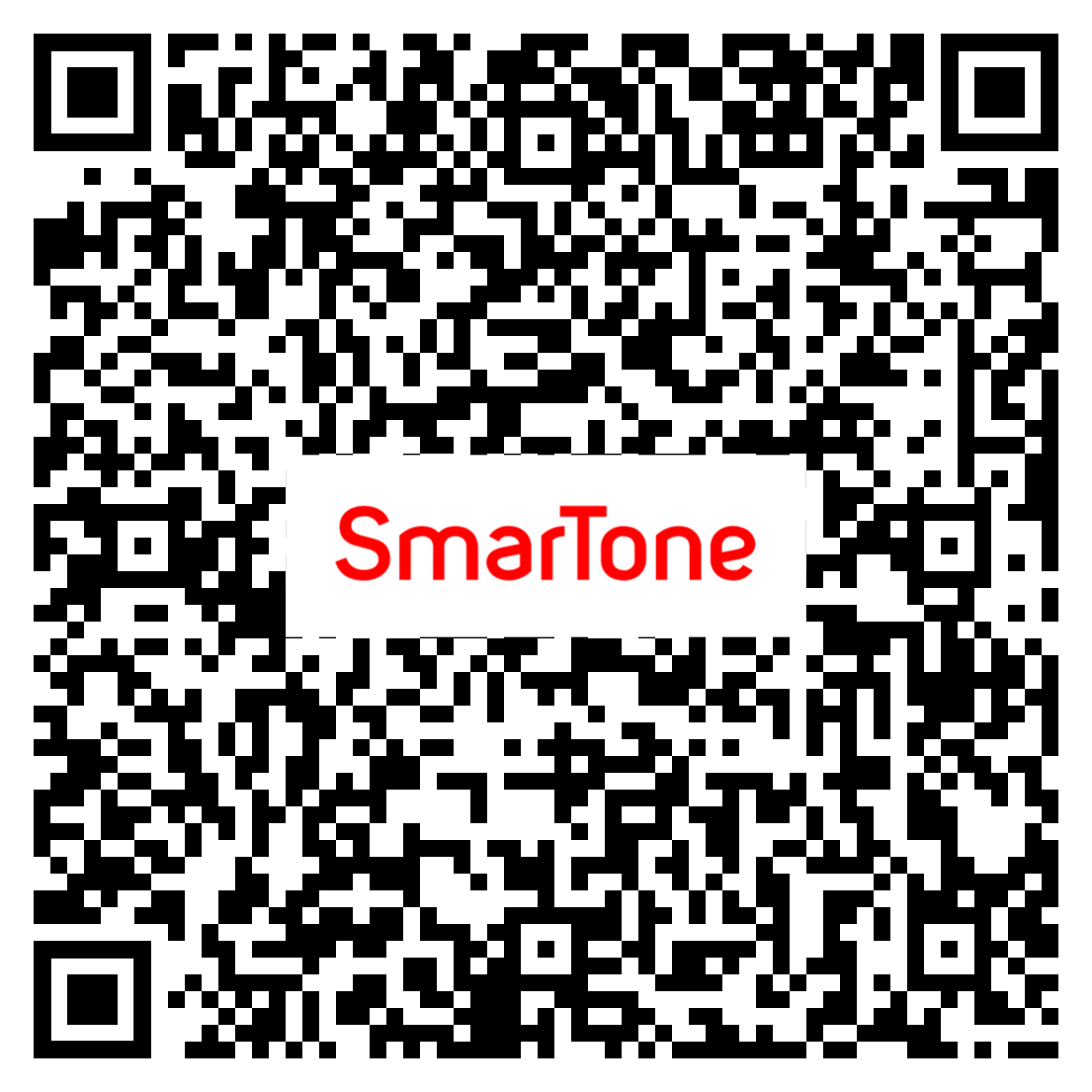
Please scan QR Code
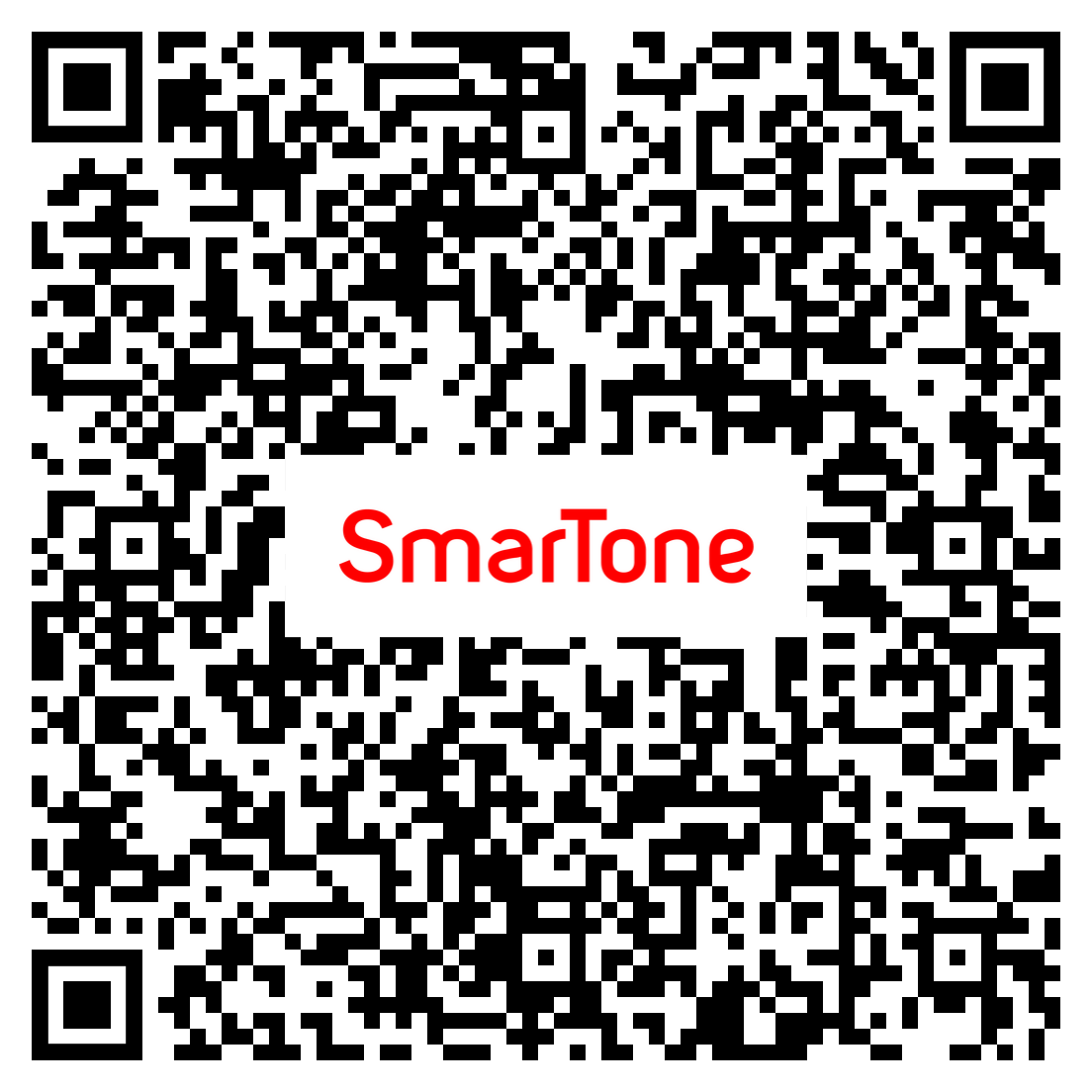
Please scan QR Code
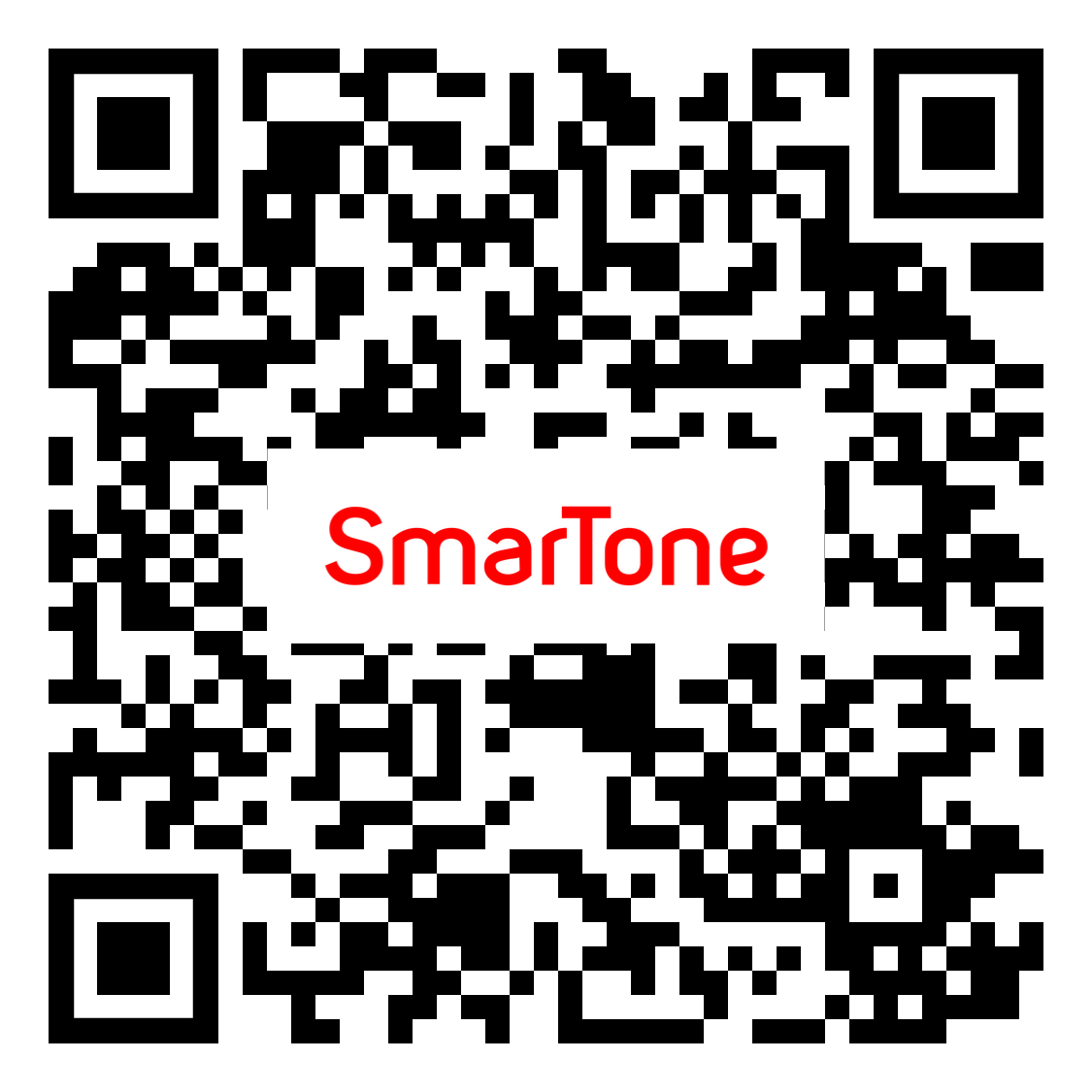
Please scan QR Code
Please scan QR Code
Please scan QR Code

Please scan the QR code and subscribe via SmarTone CARE app
Please scan QR Code
Please scan the QR code and subscribe via SmarTone CARE app Anatoly Karpov - Find The Right Plan.pdf
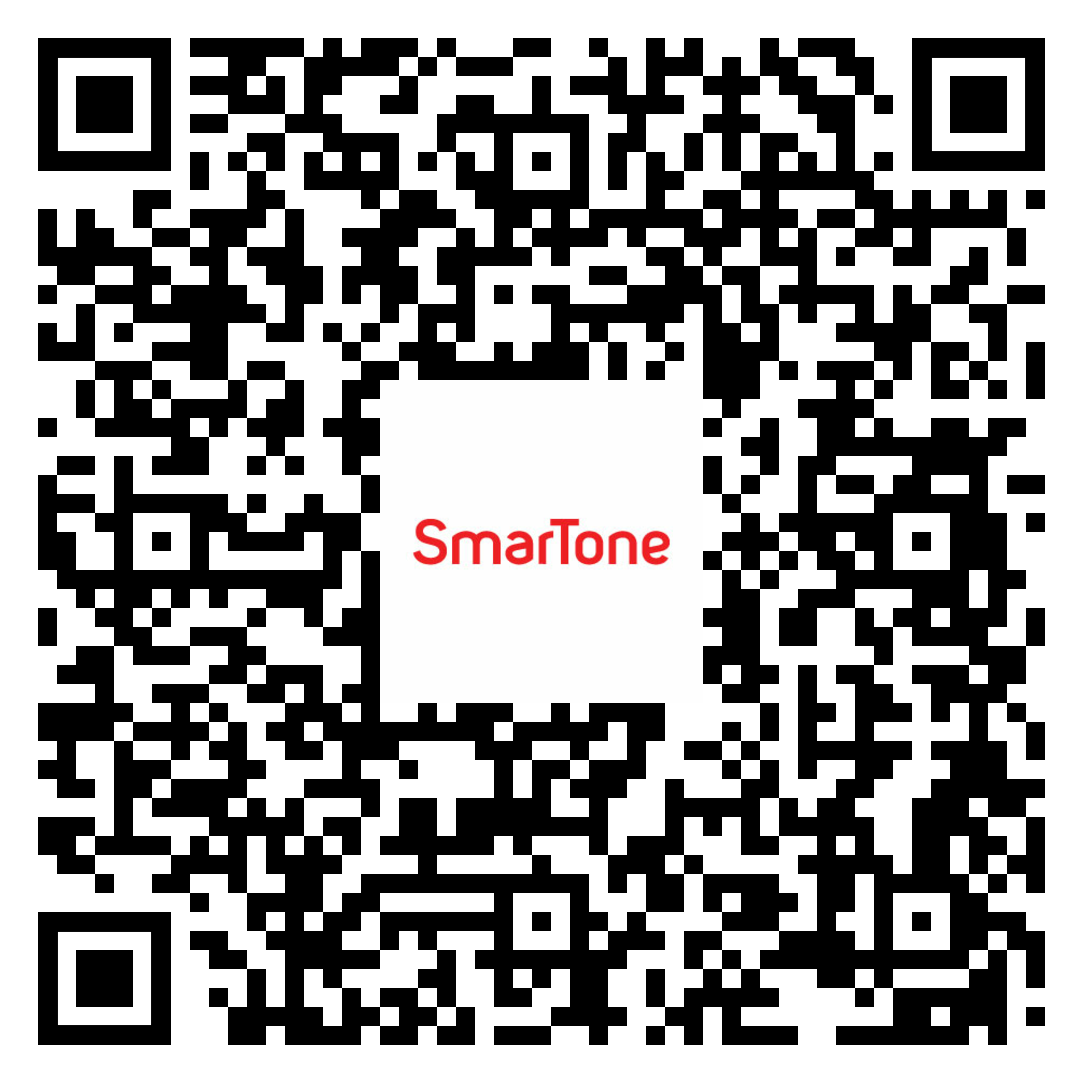
Please scan the QR code and subscribe via SmarTone CARE app

Please scan the QR code and subscribe via SmarTone CARE app
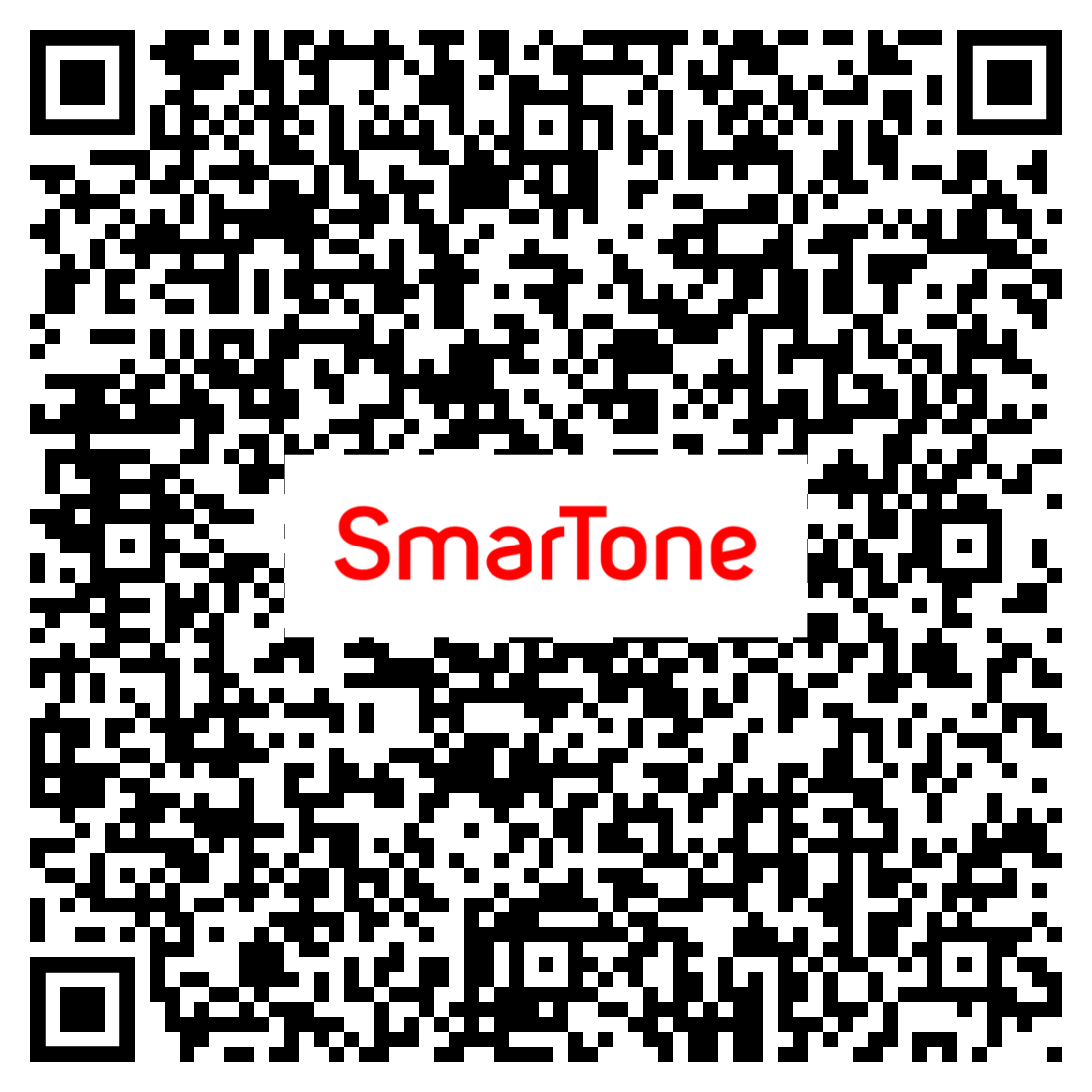
Please scan the QR code and subscribe via SmarTone CARE app
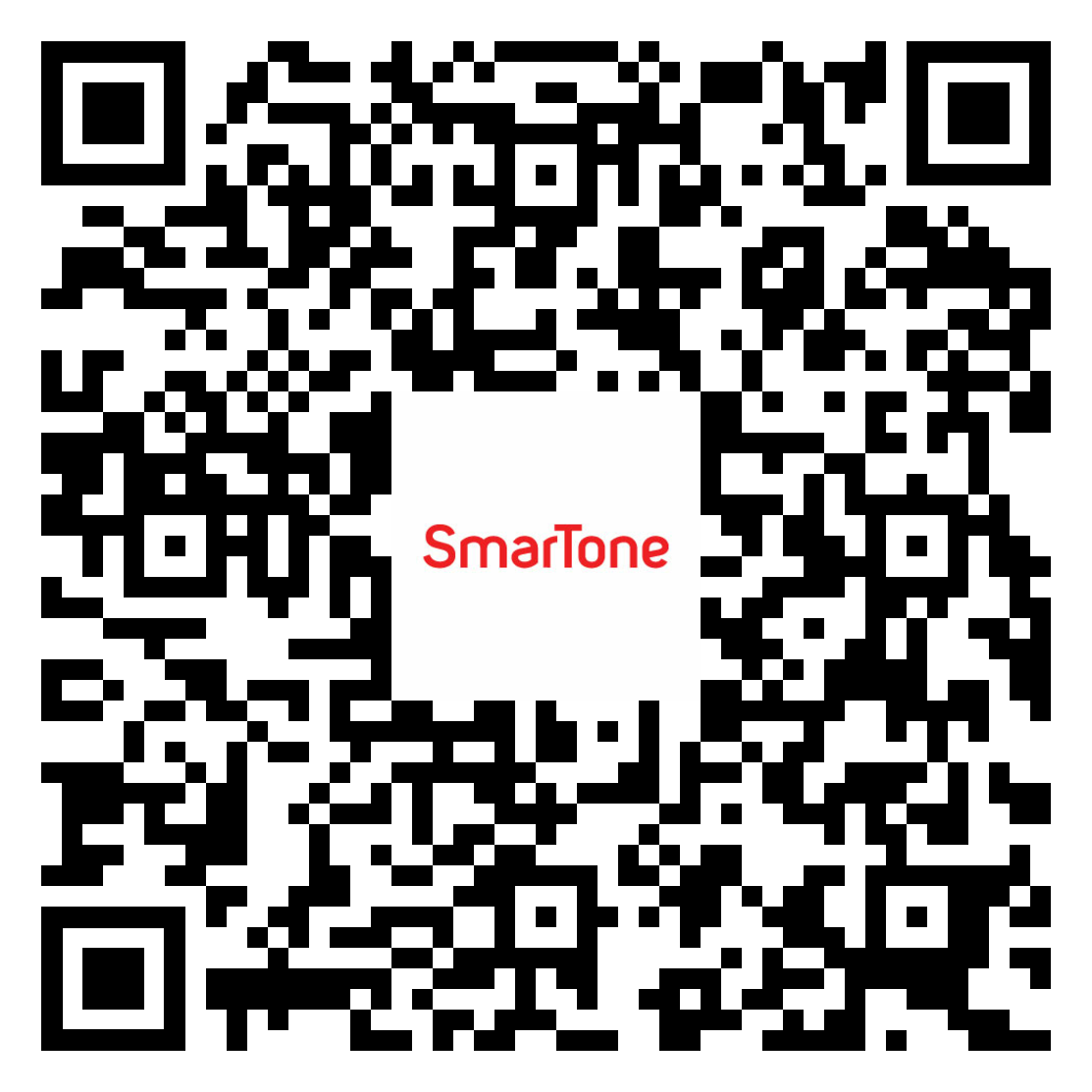
Please scan the QR code and subscribe via SmarTone CARE app
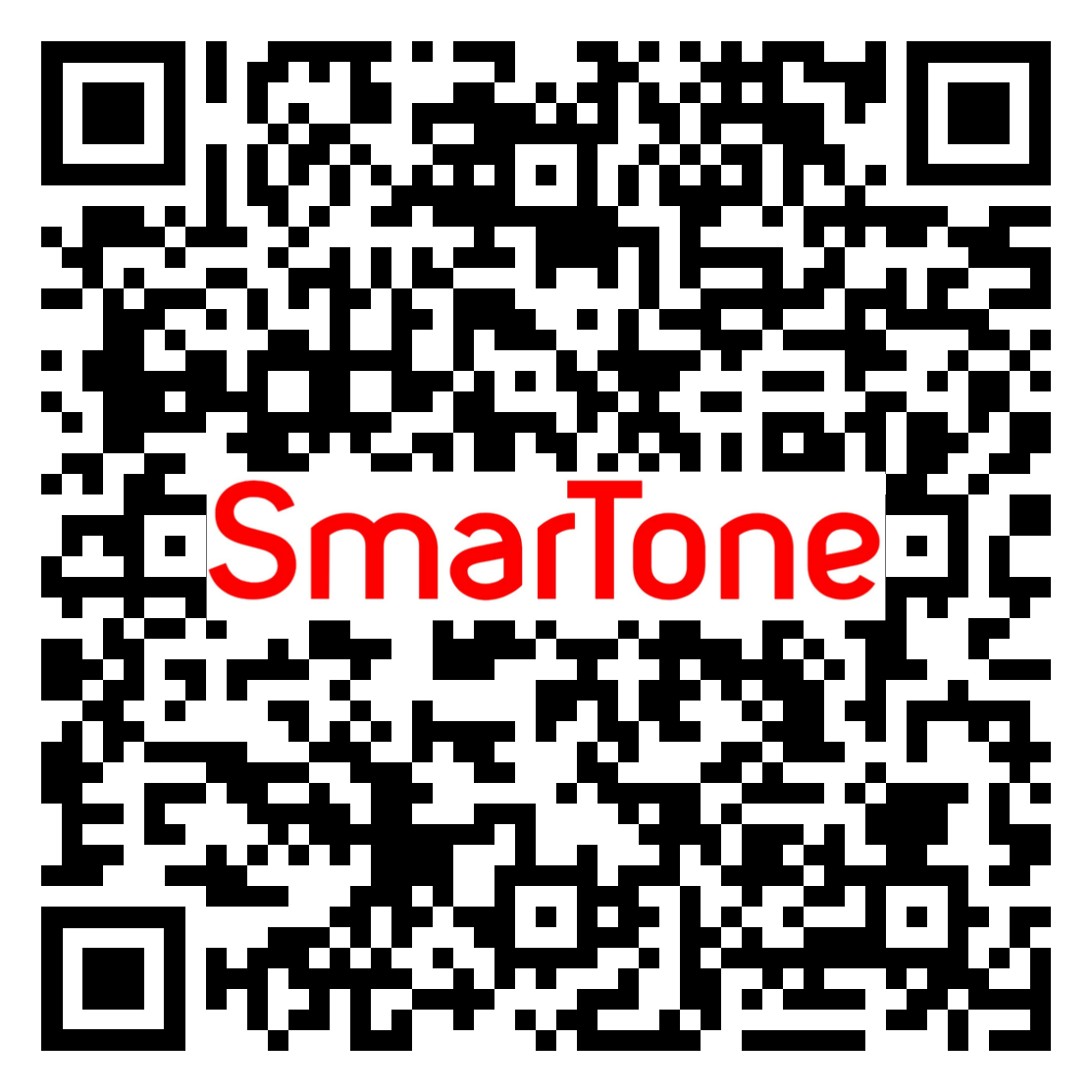
Please scan the QR code and subscribe via SmarTone CARE app
Please scan the QR code and download the App
Please scan the QR code
Please scan QR Code