
RetroArch is a modular program that runs emulators and games within its framework as if they were 'plugins'.
These plugins are called 'cores', and you need to install them inside RetroArch to be able to use them.
These cores can also be used in other programs that implement the Libretro Application Programming Interface (API).
Both Libretro and RetroArch were made by the same developers, and RetroArch serves to demonstrate Libretro's power and scope.
: Unlike a curated social media profile or a formal declaration of love, a tape implies unvarnished truth. It strips away characters' defenses, exposing their genuine feelings, unfiltered dialogue, and private vulnerabilities.
For years, fans believed Marianna’s relationship with Alexis was the untouchable one: a slow-burn romance that ended not with betrayal, but with circumstance (career, distance, timing). The tape reportedly reveals a different ending: a heated argument where Marianna admits she stayed out of fear of being alone, not love. Suddenly, every romantic storyline she played after Alexis—the yearning lover, the wounded heroine—reads less like art and more like therapy.
The "Marianna Ntouvli tape" phenomenon isn't just about the footage itself; it’s about the feeling it evokes—a reminder of the thrill of a new connection and the ache of a relationship in flux.
: The relationship is no longer viewed as a connection between two people but as a "product" or "evidence".
RetroArch/Libretro has over 200 cores, and the list keeps expanding over time. These include game engines, games, multimedia programs and emulators.
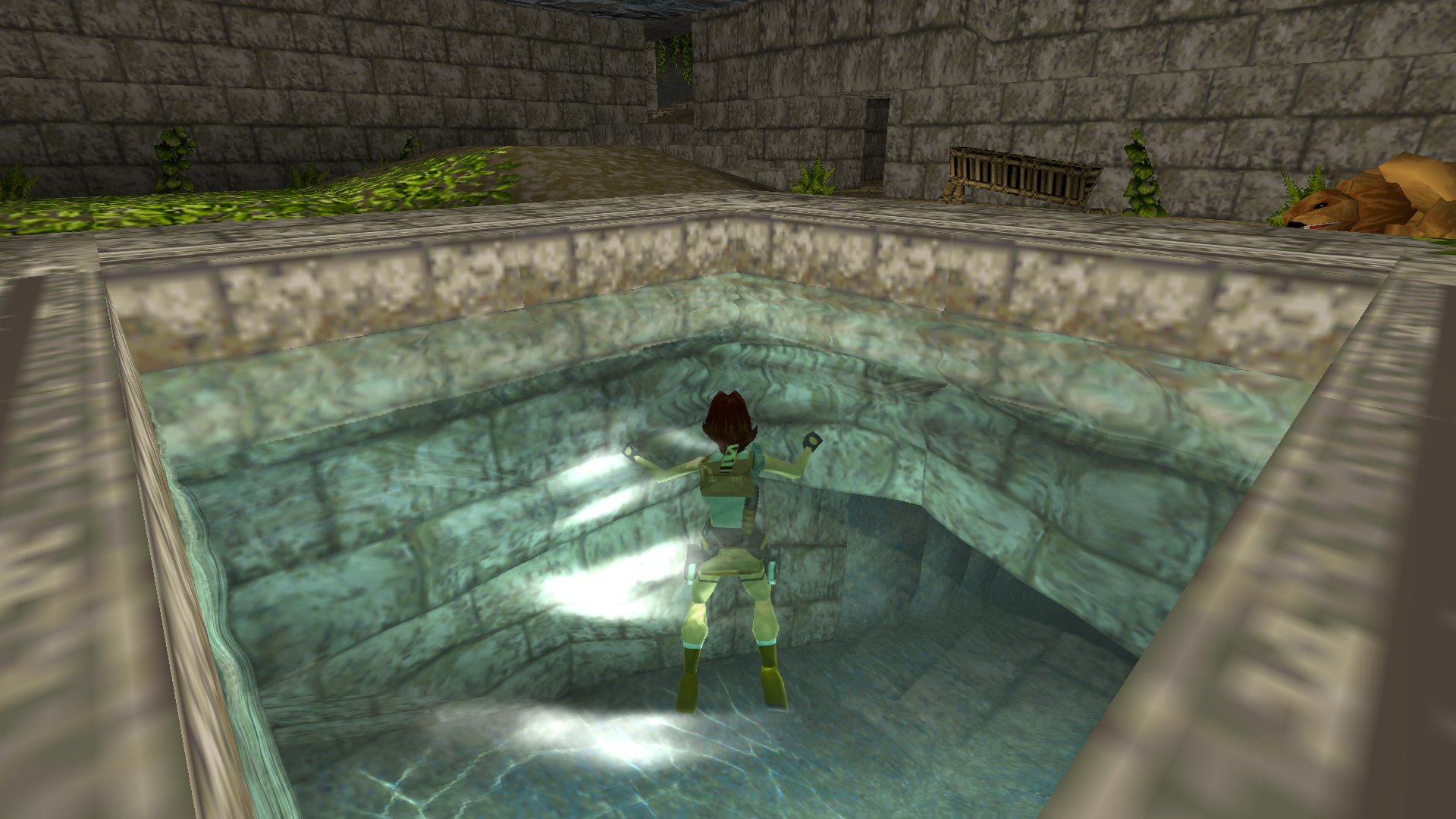
OpenLara is an early Tomb Raider game engine recreation.
Core available now for Windows/Linux.
For more information, read our article on this release here. marianna ntouvli sex tape sex in the city of athens hot
It uses the original data files in order to work. What is nice about this one is that it has some very fancy graphics effects added on top of the old game engine without it resulting in any stylistic clashes.
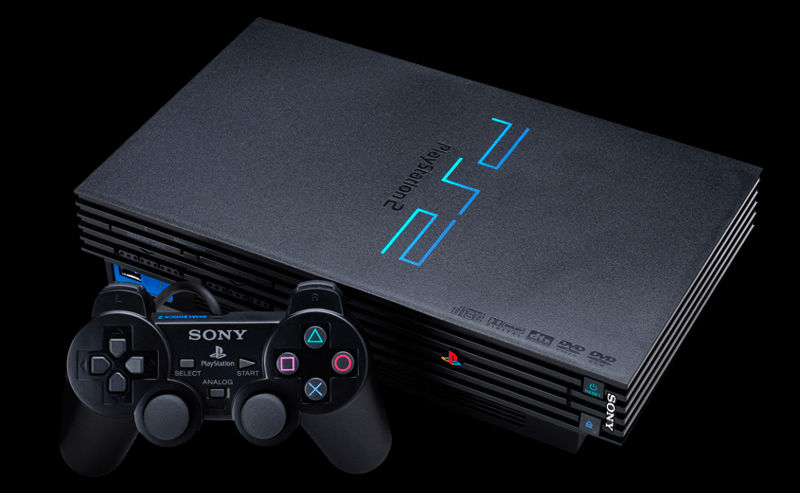
LRPS2 is a PlayStation2 emulator. It has a brand-new Vulkan-powered LLE renderer called ParaLLEl GS.
ParaLLEl-GS' goal is to be as accurate as software rendering but using the GPU instead of the CPU. Thanks to this we can also do enhancements which would be too slow to do on software, such as supersampled antialiasing and other enhancements. : Unlike a curated social media profile or
For more information, read our article on this release here.

DOSBox Pure is an easy-to-use plug and play version of DOSBox written specifically for Libretro/RetroArch. It supports MS-DOS and Windows 9x games. You can use savestates and even rewind. Automatic game detection with custom gamepad to keyboard mapping for many DOS games.
For more information, read our article on this release here. The tape reportedly reveals a different ending: a
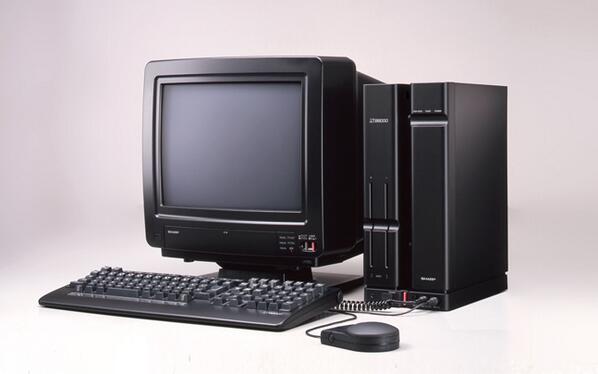
PX-68K is a Sharp X68000 emulator. This is a Japanese home computer from the late '80s/early '90s that was used by Capcom as devkits for their arcade games. It played host to many popular games from the likes of Namco, Konami and Capcom.
Core available now for Windows, macOS, Linux, Android and iOS.
For more information, read our article on this release here.
: Unlike a curated social media profile or a formal declaration of love, a tape implies unvarnished truth. It strips away characters' defenses, exposing their genuine feelings, unfiltered dialogue, and private vulnerabilities.
For years, fans believed Marianna’s relationship with Alexis was the untouchable one: a slow-burn romance that ended not with betrayal, but with circumstance (career, distance, timing). The tape reportedly reveals a different ending: a heated argument where Marianna admits she stayed out of fear of being alone, not love. Suddenly, every romantic storyline she played after Alexis—the yearning lover, the wounded heroine—reads less like art and more like therapy.
The "Marianna Ntouvli tape" phenomenon isn't just about the footage itself; it’s about the feeling it evokes—a reminder of the thrill of a new connection and the ache of a relationship in flux.
: The relationship is no longer viewed as a connection between two people but as a "product" or "evidence".