Deep foundation installation alters the surrounding soil, generating intense strains that can damage adjacent structures or underground utilities. Local GeoSS practices mandate active engineering controls to mitigate these construction risks:
You cannot assume the LPR applies perfectly to your site. GEOSS mandates a three-tier field verification:
Verifies that the structural capacity of the pile shaft and the ultimate bearing capacity of the soil/rock possess an adequate partial safety factor.
Piling in Construction: Types of Pile Foundation & Piling Methods
for your specific soil type.
Deep foundation installation alters the surrounding soil, generating intense strains that can damage adjacent structures or underground utilities. Local GeoSS practices mandate active engineering controls to mitigate these construction risks:
You cannot assume the LPR applies perfectly to your site. GEOSS mandates a three-tier field verification:
Verifies that the structural capacity of the pile shaft and the ultimate bearing capacity of the soil/rock possess an adequate partial safety factor.
Piling in Construction: Types of Pile Foundation & Piling Methods
for your specific soil type.
This video explains how to setup the virtual machines in your system using Virtual Box.
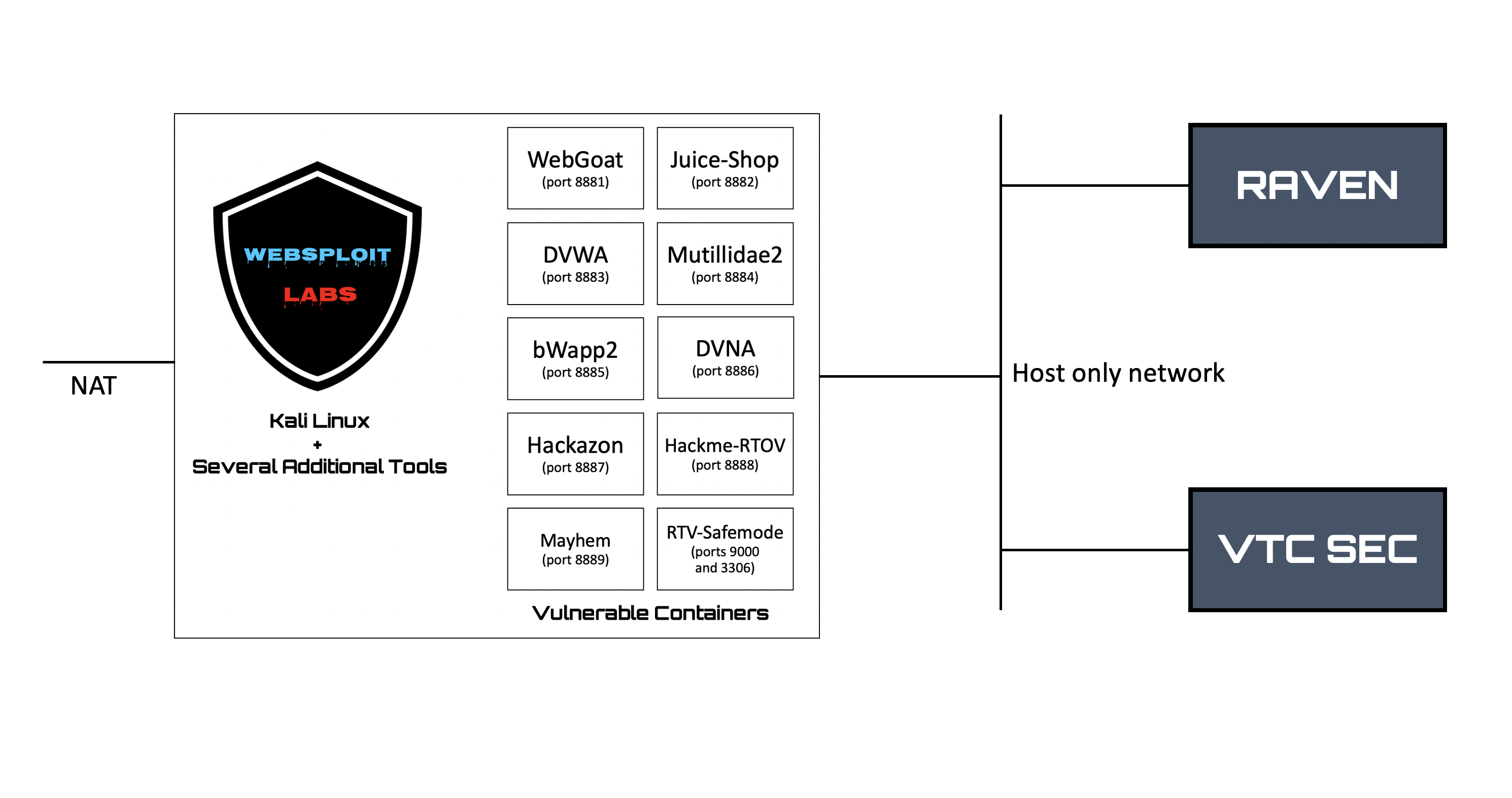
The diagram below shows the lab architecture with WebSploit Full version, Raven, and VTCSEC. The VMs were created in Virtual Box. It is highly recommended that you use Virtual Box. However, if you are familiar with different virtualization platforms, you should be able to run the VMs in VMWare Workstation Pro (Windows), VMWare Fusion (Mac), or vSphere Hypervisor (free ESXi server).
You should create a VM-only network to deploy your vulnerable VMs and perform several of the attacks using WebSploit (Kali Linux), as shown in the video above. You can configure a separate network interface in your WebSploit VM to connect to the rest of your network and subsequently the Internet. Preferably, that interface should be in NAT mode.
Stay in Touch with Omar!