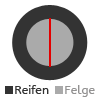
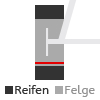
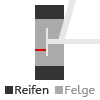
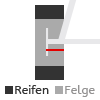
Calculate values such as rolling circumference differences, speed deviations, changes in ground clearance, tire diameter, rim width, track width changes or the use of spacers for adjusting the offset (ET calculator) and find out which tires or wheels are best suited for your vehicle. You will also receive a helpful graphical representation.
In the crowded world of writing advice, most books promise to unlock your potential through sheer willpower, morning routines, or "10 secret tips from bestsellers." Very few deliver what writers actually need:
In isolation, an idea has limited value. The magic of Doto's system happens during the linking phase. When adding a new atomic note to your system, you must ask yourself: How does this relate to what I already know? By physically or digitally linking notes together, you build web-like clusters of thought. Over time, these clusters naturally grow into outlines for essays, books, or scripts. 4. Bottom-Up Structuring
While many resources on Zettelkasten focus on the "how" of taking notes, Doto's work centers on the
Focus on how the idea connects to your own thinking. 3. Structure Notes (The Map)
Results
Existing
Desired
Tire circumference
?
Rolling circumference
?
Tire height (sidewall)
?
Tire diameter
?
Rim size
?
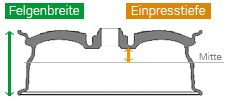
Rim width
?
Poke (Outer Edge)
?
Inset (Inner Edge)
?
Show results in
Comparison & differences
Difference in rolling circumference
?
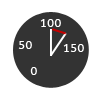
Speedometer at 100 km/h or mph
?
The following differences also arise:
Difference in ground clearance
?
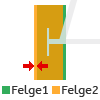
Change to the outer edge of the rim per side
?
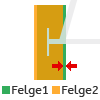
Change to the inner edge of the rim per side
?
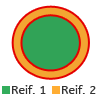
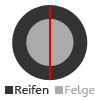
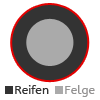
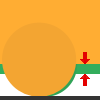
Graphic display appears after entering values
The strut illustration is for illustrative purposes only
2: Read the result
Note the difference in rolling circumference:
Rolling circumferences are generally approved in the range +1.5% und -2.5% g. Please check with the responsible inspector beforehand.
In the crowded world of writing advice, most books promise to unlock your potential through sheer willpower, morning routines, or "10 secret tips from bestsellers." Very few deliver what writers actually need:
In isolation, an idea has limited value. The magic of Doto's system happens during the linking phase. When adding a new atomic note to your system, you must ask yourself: How does this relate to what I already know? By physically or digitally linking notes together, you build web-like clusters of thought. Over time, these clusters naturally grow into outlines for essays, books, or scripts. 4. Bottom-Up Structuring
While many resources on Zettelkasten focus on the "how" of taking notes, Doto's work centers on the
Focus on how the idea connects to your own thinking. 3. Structure Notes (The Map)